VITAMIN C
Vitamin C (L-ascorbic acid) is an essential water-soluble antioxidant that protects cells from oxidative damage, acts as a cofactor for enzymes involved in collagen synthesis, and supports immune function and iron absorption. Humans cannot synthesize it endogenously.
Evidence-led profile
Research snapshot
- Evidence stage
- Emerging research
- References
- 9 linked sources
- Research coverage
- 1 area
- Editorial review
- Jul 7, 2026
Published by the PepGuide Editorial Team using our research methodology.
Overview
Vitamin C (ascorbic acid) is an essential water-soluble vitamin and powerful antioxidant that supports immune function, collagen synthesis, iron absorption, and protects cells from oxidative damage. The body cannot produce vitamin C, so it must be obtained through diet or supplementation. It plays critical roles in skin health, wound healing, cardiovascular health, and may help reduce the duration and severity of common colds at adequate doses.
Research
Reported Effects
Dose-Dependent Benefits:: Most users find 500-1000mg daily sufficient for general health, while some benefit from higher doses (2-6g) for specific conditions, though effectiveness may plateau over time. Synergy with Cofactors:: Vitamin C works significantly better when combined with bioflavonoids, vitamin D, zinc, and magnesium, with users reporting enhanced absorption and effects from these combinations. Form Matters:: Liposomal and buffered forms (sodium/calcium ascorbate) are reported to cause fewer digestive issues than ascorbic acid, though some users question whether premium forms justify the 100x cost increase. Individual Variation:: Response varies widely, with some users experiencing dramatic benefits while others notice minimal effects, suggesting personalized dosing based on deficiency status and health conditions
Safety and Limitations
Safety Profile: Vitamin C (Ascorbic Acid)
Common Side Effects
- Gastrointestinal symptoms at doses above 1000 mg/day including nausea, diarrhea, abdominal cramps, and bloating (osmotic effect in the intestine)
- Heartburn and acid reflux due to acidity of ascorbic acid (buffered forms are better tolerated)
- Increased urination due to mild diuretic effect
- Mild headache at very high doses
- Dental enamel erosion with chronic chewable ascorbic acid tablet use
Serious Adverse Effects
- Kidney stones: High-dose vitamin C (>1000 mg/day) increases urinary oxalate excretion, significantly raising the risk of calcium oxalate nephrolithiasis, especially in men and individuals with a history of kidney stones
- Iron overload: Vitamin C dramatically enhances non-heme iron absorption; dangerous in hereditary hemochromatosis, thalassemia, and sideroblastic anemia
- Rebound scurvy: Abrupt discontinuation after chronic high-dose use may cause symptoms of vitamin C deficiency due to upregulated metabolic clearance
- Interference with laboratory tests: High-dose vitamin C can cause falsely low blood glucose readings on certain glucometers and interfere with fecal occult blood tests and urine glucose tests
- IV vitamin C at pharmacological doses (>15 g) can cause hemolysis in G6PD-deficient individuals
Contraindications
- Glucose-6-phosphate dehydrogenase (G6PD) deficiency (risk of hemolytic anemia, especially with IV administration)
- History of calcium oxalate kidney stones (high-dose oral supplementation increases recurrence risk)
- Hemochromatosis or iron overload disorders (enhanced iron absorption)
- Known hypersensitivity to ascorbic acid or excipients
- Severe renal impairment (impaired oxalate clearance increases nephrotoxicity risk)
Drug Interactions
- Warfarin: High-dose vitamin C may reduce warfarin efficacy; monitor INR
- Estrogen-containing contraceptives and HRT: Vitamin C may increase estrogen levels by inhibiting conjugation; monitor for estrogen-related side effects
- Aluminum-containing antacids: Vitamin C increases aluminum absorption; avoid in renal impairment
- Chemotherapy and radiation: Antioxidant effects may reduce efficacy of oxidative stress-dependent cancer therapies; discuss with oncologist
- Iron supplements: Synergistic iron absorption; beneficial for iron-deficiency anemia but dangerous in iron overload conditions
Population-Specific Considerations
- Elderly: Generally safe at 200–500 mg/day; avoid mega-doses; monitor renal function
- Smokers: Require 35 mg/day more than non-smokers due to increased oxidative stress
- Pregnant women: RDA is 85 mg/day; mega-doses may cause rebound scurvy in neonates
- Kidney stone formers: Limit to <500 mg/day; ensure adequate hydration
- G6PD-deficient individuals: Avoid high-dose oral and IV vitamin C; standard dietary intake is safe
Common Side Effects
- Digestive Issues:: High doses of ascorbic acid commonly cause stomach upset, diarrhea at bowel tolerance, and bladder pain, with buffered or liposomal forms reducing these effects
- Kidney Stone Risk:: Multiple users and studies warn of increased kidney stone risk with long-term high-dose supplementation (above 2g daily), particularly with ascorbic acid
- Mineral Interactions:: Vitamin C significantly increases iron absorption and may interact with copper levels, potentially causing issues for those with iron overload or copper sensitivity
- Sleep Disruption:: Some users report insomnia or wired feelings when taking vitamin C late in the day or at very high doses, suggesting morning or split-dose timing is preferable
Research protocol summary
- Typical Dose
- 500-1000mg daily is most commonly recommended for general health and immune support, with many users taking this dose long-term without issues
These values summarize cataloged research protocols. They are not personal dosing instructions or medical guidance.
Molecular Structure
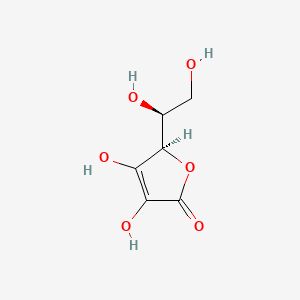
- Formula
- C6H8O6
- Weight
- 176.12 Da
- PubChem CID
- 54670067
- Exact Mass
- 176.0321 Da
- LogP
- -1.6
- TPSA
- 107 Ų
- H-Bond Donors
- 4
- H-Bond Acceptors
- 6
- Rotatable Bonds
- 2
- Complexity
- 232
Identifiers (SMILES, InChI)
InChI=1S/C6H8O6/c7-1-2(8)5-3(9)4(10)6(11)12-5/h2,5,7-10H,1H2/t2-,5+/m0/s1
CIWBSHSKHKDKBQ-JLAZNSOCSA-NReferences (9)
- [2]Enhanced Vitamin C Delivery: A Systematic Literature Review Assessing the Efficacy and Safety of Alternative Supplement Forms in Healthy Adults
→ Systematic review found that alternative formulations of vitamin C (liposomal, slow-release, calcium ascorbate) may enhance bioavailability and retention compared to traditional ascorbic acid, with potential benefits for immunity and infection resistance.
- [1]Vitamin C Supplementation and Athletic Performance: A Review
→ Review of 14 randomized controlled trials found that high-dose vitamin C supplementation shows mostly neutral or negative effects on athletic performance and muscle adaptations to training, with only 3 studies showing benefits for muscle damage markers.
- [3]Total, Dietary, and Supplemental Vitamin C Intake and Risk of Incident Kidney Stones
→ Large prospective study of 156,735 women found that high-dose vitamin C supplementation may increase kidney stone risk, warranting caution with megadose protocols.
- [5]The role of vitamin C on the skin
→ Review found that vitamin C plays important roles in skin health through epithelial cell differentiation, melanin reduction, and antioxidative protection, with topical application showing more clinical effect than oral intake for skin benefits.
- [6]Vitamin C as an antioxidant supplement in women's health: a myth in need of urgent burial
→ Critical review concluded that oral vitamin C supplementation, even at high doses, does not achieve sustained serum levels required for effective antioxidant activity, explaining failures in clinical trials for pre-eclampsia and other conditions.
- [7]Anti-Inflammatory, Antithrombotic and Antioxidant Efficacy and Synergy of a High-Dose Vitamin C Supplement Enriched with a Low Dose of Bioflavonoids
→ Clinical study found that 1g vitamin C combined with 50mg bioflavonoids demonstrated significant anti-inflammatory, antiplatelet, and antioxidant effects in healthy subjects, with synergistic benefits from the combination.
- [8]Micronutrients and athletic performance: A review
→ Comprehensive review found that while micronutrient deficiencies impair athletic performance, supplementation beyond correcting deficiencies shows limited benefits, with vitamin C being one of several micronutrients commonly used by athletes.
- [4]The Effects of Dietary Supplementation with Collagen and Vitamin C and Their Combination with Hyaluronic Acid on Skin Density, Texture and Other Parameters
→ Randomized controlled trial of 87 women found that 5g collagen combined with 80mg vitamin C over 16 weeks significantly improved skin density, texture, and reduced signs of aging.
- [9]National Institutes of Health, Office of Dietary Supplements Vitamin C - Health Professional Fact Sheet NIH Office of Dietary Supplements (2021)
→ Adult RDA is 75-90 mg/day; supplemental doses of 250-1000 mg/day are common and generally safe below the 2000 mg/day tolerable upper limit.
Continue researching VITAMIN C
Keep scientific evidence separate from commercial availability. Review how claims are evaluated, explore question-led research paths, or inspect disclosed source records without changing the editorial conclusions on this page.