THEOBROMINE
A xanthine alkaloid found predominantly in cacao that acts as a mild stimulant, vasodilator, and bronchodilator, providing smoother and longer-lasting effects compared to caffeine.
Evidence-led profile
Research snapshot
- Evidence stage
- Emerging research
- References
- 5 linked sources
- Research coverage
- 1 area
- Editorial review
- Mar 8, 2026
Published by the PepGuide Editorial Team using our research methodology.
Overview
Theobromine is a methylxanthine alkaloid found naturally in cocoa, chocolate, and tea that acts as a mild stimulant and bronchodilator. It works by blocking adenosine receptors and inhibiting phosphodiesterase enzymes, producing gentler effects than caffeine with a longer half-life. Theobromine is primarily used for cardiovascular health, mood enhancement, and as a mild cognitive stimulant.
Research
Reported Effects
Cardiovascular Health:: Strong research evidence for improving lipid profiles and metabolic markers at 450mg daily doses. Cognitive Effects:: Inconsistent results across studies; failed to show reliable effects on vigilance and mood in controlled trials. Synergy with Caffeine:: May work better in combination with caffeine, particularly at higher caffeine intake levels. Dosage-Dependent:: Effects appear dose-dependent but optimal cognitive dosing remains unclear based on current evidence
Safety and Limitations
Safety Profile: Theobromine
Common Side Effects
- Mild diuretic effect and increased urination
- Nausea and gastrointestinal discomfort, especially at doses above 500 mg/day
- Headache and mild restlessness (milder than caffeine due to weaker CNS stimulation)
- Increased heart rate at higher doses; theobromine is a weaker cardiac stimulant than caffeine
- Mild heartburn or acid reflux, as theobromine relaxes the lower esophageal sphincter
Serious Adverse Effects
- Cardiac arrhythmias at high doses (>1000 mg); theobromine has direct positive chronotropic and inotropic effects
- Theobromine poisoning: tremors, sweating, severe nausea, vomiting, and headache at toxic doses (estimated threshold ~1000 mg in sensitive individuals)
- Seizures reported in cases of extreme overdose
- Unlike caffeine, theobromine has a longer half-life (6–10 hours), so effects may accumulate with frequent dosing
- Possible exacerbation of GERD symptoms due to esophageal sphincter relaxation
Contraindications
- Known hypersensitivity to theobromine or methylxanthines
- Severe cardiac arrhythmias or unstable angina
- Active gastroesophageal reflux disease (GERD) or esophageal conditions
- Pregnancy (crosses the placenta; associated with lower birth weight in some epidemiological studies at high intakes)
- Concurrent high-dose caffeine or theophylline use (methylxanthine toxicity risk)
Drug Interactions
- Theophylline: Same metabolic pathway (CYP1A2); additive methylxanthine toxicity possible
- Caffeine: Additive cardiovascular and CNS stimulatory effects
- Adenosine: As a methylxanthine, theobromine may antagonize adenosine; may reduce efficacy of pharmaceutical adenosine
- Beta-blockers: May partially counteract the cardiac effects of beta-blockers
- CYP1A2 inhibitors (fluvoxamine, ciprofloxacin): May slow theobromine metabolism and increase plasma levels
Population-Specific Considerations
- Elderly: Reduced methylxanthine clearance; use lower doses; monitor cardiac rhythm
- Pediatric: Present in chocolate; generally safe at dietary levels but supplemental doses should be avoided
- GERD patients: Avoid or minimize due to lower esophageal sphincter relaxation
- Cardiac patients: Use with caution; monitor heart rate and rhythm
- Pregnant women: Moderate dietary chocolate intake generally considered safe, but high supplemental doses should be avoided
Common Side Effects
- Sleep Disruption:: May interfere with sleep quality when taken later in the day due to long half-life
- Minimal Acute Effects:: Generally well-tolerated with fewer side effects than caffeine
- Individual Sensitivity:: Effects vary significantly between individuals
- Toxicity in Pets:: Highly toxic to dogs and cats; safe storage required in households with pets
Molecular Structure
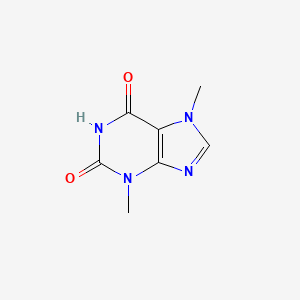
- Formula
- C7H8N4O2
- Weight
- 180.16 Da
- PubChem CID
- 5429
- Exact Mass
- 180.0647 Da
- LogP
- -0.8
- TPSA
- 67.2 Ų
- H-Bond Donors
- 1
- H-Bond Acceptors
- 3
- Rotatable Bonds
- 0
- Complexity
- 267
Identifiers (SMILES, InChI)
InChI=1S/C7H8N4O2/c1-10-3-8-5-4(10)6(12)9-7(13)11(5)2/h3H,1-2H3,(H,9,12,13)
YAPQBXQYLJRXSA-UHFFFAOYSA-NReferences (5)
- [1]The Therapeutic Potential of Theobromine in Obesity: A Comprehensive Review
→ Review examining theobromine's potential therapeutic applications in obesity treatment, particularly its effects on metabolism and chronic low-grade inflammation associated with obesity.
- [2]Theobromine supplementation in combination with a low-calorie diet improves cardiovascular risk factors in overweight and obese subjects with metabolic syndrome: a randomized controlled trial
→ 12-week randomized trial showing 450mg daily theobromine supplementation significantly decreased waist circumference, improved lipid ratios (LDL-c/HDL-c, TG/HDL-c, TC/HDL-c), and increased HDL-c compared to placebo in metabolic syndrome patients.
- [3]A comprehensive insight into the molecular effect of theobromine on cardiovascular-related risk factors: A systematic review of in vitro and in vivo studies
→ Systematic review examining molecular mechanisms of theobromine's beneficial effects on cardiovascular risk factors including lipid profile, glycemic status, and inflammatory markers.
- [5]Effects of Theobromine and Caffeine on Mood and Vigilance
→ Double-blind study of 24 men testing theobromine doses (100, 200, 400mg) against caffeine found theobromine failed to consistently affect mood or vigilance parameters at any dose, while 100mg caffeine showed significant effects.
- [4]Association between Dietary Theobromine and Cognitive Function in a Representative American Population: A Cross-Sectional Study
→ Analysis of 2,845 participants aged ≥60 years found the highest quantile of theobromine intake was positively associated with delayed recall, animal fluency, and digit symbol substitution test scores, suggesting beneficial effects on cognitive performance.
Continue researching THEOBROMINE
Keep scientific evidence separate from commercial availability. Review how claims are evaluated, explore question-led research paths, or inspect disclosed source records without changing the editorial conclusions on this page.