TESTOSTERONE
The primary male sex hormone and anabolic steroid produced mainly in the testes, responsible for the development of male reproductive tissues, muscle mass, bone density, and secondary sexual characteristics.
Evidence-led profile
Research snapshot
- Evidence stage
- Emerging research
- References
- 12 linked sources
- Research coverage
- 4 areas
- Editorial review
- Jul 7, 2026
Published by the PepGuide Editorial Team using our research methodology.
Overview
Testosterone is the primary male sex hormone and anabolic steroid naturally produced in the testes, ovaries, and adrenal glands. It plays crucial roles in developing male reproductive tissues, promoting muscle mass and bone density, regulating libido, and influencing mood and energy levels. Testosterone levels naturally decline with age, and both deficiency and excess can lead to various health issues.
Research
Reported Effects
Lifestyle First Approach:: Most successful users emphasize that sleep optimization (8+ hours), resistance training (especially heavy compound lifts), stress management, and proper nutrition are foundational and often more effective than supplements alone. Natural Boosters Show Mixed Results:: Fenugreek, ashwagandha, tongkat ali, vitamin D, zinc, magnesium, and boron show the most consistent positive effects, though individual responses vary significantly and benefits are generally modest (100-300 ng/dL increases). TRT Highly Effective But Controversial:: Testosterone replacement therapy produces dramatic, reliable results but users debate appropriateness, with many advocating exhausting natural methods first due to concerns about dependence and long-term effects. Testing Is Essential:: Users strongly emphasize getting comprehensive blood work before and during any intervention, noting that many supplement stacks fail without addressing underlying deficiencies or lifestyle factors
Hypogonadism replacement therapy
Testosterone is the standard treatment for confirmed male hypogonadism, available as transdermal gels, intramuscular esters (cypionate, enanthate, undecanoate), subcutaneous pellets and nasal gel. The coordinated Testosterone Trials established that, in older men with clearly low levels, replacement most reliably improves sexual function, with smaller and more variable effects on mood, bone density, anemia, and physical function.
- Most robust benefit is on libido and sexual function
- Improves bone density, hemoglobin, lean mass and body composition
- Diagnosis requires low morning testosterone plus symptoms; treating nonspecific aging alone is not supported
Cardiovascular safety
After a decade of conflicting observational data and an FDA safety review, the large randomized TRAVERSE trial found testosterone did not increase major adverse cardiovascular events in men with existing or high cardiovascular risk. However, it revealed excess atrial fibrillation, pulmonary embolism, and acute kidney injury, refining rather than eliminating safety concerns.
- Noninferior to placebo for major adverse cardiac events over ~2 years
- Signals of increased atrial fibrillation and venous thromboembolism
- Reassures on-label use while emphasizing risk counseling and monitoring (hematocrit, PSA)
Metabolic effects and diabetes prevention
Low testosterone is associated with obesity, insulin resistance and type 2 diabetes. The T4DM trial showed that testosterone added to a structured lifestyle programme reduced progression from prediabetes to diabetes over two years, demonstrating a genuine metabolic effect while underscoring that testosterone is an adjunct to, not a substitute for, weight loss and exercise.
- 40% relative reduction in incident type 2 diabetes at 2 years in at-risk men
- Accompanied by reduced fat mass and increased lean mass
- Not recommended as a stand-alone diabetes therapy given cardiovascular/prostate monitoring needs
Safety and Limitations
Safety Profile: Testosterone
Common Side Effects
- Acne and oily skin due to increased sebum production; one of the most frequent complaints
- Injection site pain, swelling, or irritation (with injectable forms); skin irritation with transdermal patches or gels
- Erythrocytosis (polycythemia): elevated hematocrit and hemoglobin, increasing blood viscosity; occurs in up to 20% of patients on testosterone replacement therapy (TRT)
- Fluid retention and peripheral edema
- Gynecomastia due to aromatization of testosterone to estradiol
- Mood changes including irritability, aggression, and emotional lability
- Sleep disturbances and worsening of obstructive sleep apnea
- Testicular atrophy and reduced spermatogenesis due to hypothalamic-pituitary-gonadal axis suppression
Serious Adverse Effects
- Cardiovascular risk: Increased risk of major adverse cardiovascular events (MACE) remains debated; some studies suggest elevated risk of myocardial infarction, stroke, and venous thromboembolism, particularly in older men and those with pre-existing cardiovascular disease
- Polycythemia: Hematocrit exceeding 54% significantly increases risk of thromboembolic events including stroke and pulmonary embolism
- Hepatotoxicity: Primarily with oral 17-alpha-alkylated formulations (methyltestosterone); peliosis hepatis and hepatocellular carcinoma reported; injectable and transdermal forms carry minimal hepatic risk
- Prostate effects: May stimulate growth of subclinical prostate cancer; PSA monitoring required; benign prostatic hyperplasia may worsen
- Infertility: Suppresses FSH and LH, leading to azoospermia in many men; can persist for months after discontinuation
- Psychiatric effects: Rarely, psychotic symptoms, severe aggression, or mania at supraphysiological doses
Contraindications
- Known or suspected prostate cancer or breast cancer in men
- Hematocrit >50% at baseline (or >54% during therapy)
- Severe untreated obstructive sleep apnea
- Uncontrolled heart failure (NYHA Class III–IV)
- Desire for near-term fertility (suppresses spermatogenesis)
- Pregnancy (FDA Category X; virilization of female fetus)
- Known hypersensitivity to testosterone or vehicle components (e.g., sesame oil, cottonseed oil in injectables)
Drug Interactions
- Anticoagulants (warfarin): Testosterone increases sensitivity to oral anticoagulants; INR monitoring and dose adjustment required
- Insulin and oral hypoglycemics: Testosterone may improve insulin sensitivity; dose reduction of antidiabetic agents may be needed
- Corticosteroids: Additive fluid retention; monitor for edema, especially in cardiac patients
- CYP450 substrates: Testosterone may inhibit CYP2C and induce CYP3A4; potential for interactions with drugs metabolized by these pathways
- 5-alpha reductase inhibitors (finasteride, dutasteride): Block conversion to DHT; may alter the androgenic profile but are sometimes used concurrently
Population-Specific Considerations
- Elderly men: Higher cardiovascular and polycythemia risk; start with lower doses; monitor hematocrit, PSA, and cardiovascular status every 3–6 months
- Adolescents: May accelerate epiphyseal closure, limiting adult height; use only for confirmed hypogonadism under endocrinology supervision
- Women: Used off-label for hypoactive sexual desire; doses much lower than male replacement (typically 1–5 mg/day); virilization risk at higher doses
- Transgender men: Standard component of masculinizing hormone therapy; monitor hematocrit, lipids, and liver function regularly
- Fertility-desiring men: Avoid TRT; consider hCG, clomiphene, or enclomiphene as alternatives to maintain spermatogenesis
Common Side Effects
- Hormonal Imbalances:: Excessive supplementation (especially zinc without copper, or tongkat ali) can cause imbalances, estrogen issues, or paradoxically lower testosterone over time
- Sleep Disruption:: Some users report excessive energy or difficulty sleeping when testosterone levels rise rapidly, requiring adjustment periods
- Dependency Concerns:: TRT users note lifelong commitment required and potential fertility impacts, with difficult recovery if discontinued
- Individual Variability:: Many supplements work dramatically for some users while having no effect or negative effects on others, making personalized testing and experimentation crucial
Molecular Structure
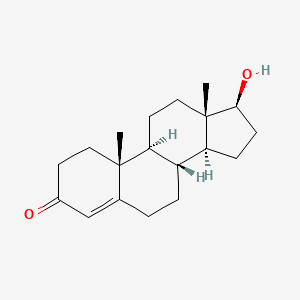
- Formula
- C19H28O2
- Weight
- 288.4 Da
- PubChem CID
- 6013
- Exact Mass
- 288.2089 Da
- LogP
- 3.3
- TPSA
- 37.3 Ų
- H-Bond Donors
- 1
- H-Bond Acceptors
- 2
- Rotatable Bonds
- 0
- Complexity
- 508
Identifiers (SMILES, InChI)
InChI=1S/C19H28O2/c1-18-9-7-13(20)11-12(18)3-4-14-15-5-6-17(21)19(15,2)10-8-16(14)18/h11,14-17,21H,3-10H2,1-2H3/t14-,15-,16-,17-,18-,19-/m0/s1
MUMGGOZAMZWBJJ-DYKIIFRCSA-NResearch Indications
Approved Indications
Replacement therapy for men with primary (testicular) or secondary (pituitary/hypothalamic) hypogonadism confirmed by low morning testosterone plus symptoms; restores libido, energy, muscle mass, bone density and erythropoiesis.
Short-course therapy to induce virilization in constitutional delay of growth and puberty.
Used to induce and maintain male secondary sex characteristics in transgender men.
Symptom Domains in Hypogonadism (evidence-graded)
Most consistent benefit; improves libido, erectile function and sexual activity in men with low testosterone.
Increases volumetric bone density/estimated strength and corrects unexplained anemia of hypogonadism.
Increases lean mass, reduces fat mass, and modestly improves mood/vitality.
Investigational / Off-label Uses
Reduced progression to T2D in men with prediabetes in the T4DM trial, but not endorsed as monotherapy given safety trade-offs.
Benefits are smaller and safety (AF, PE) is a concern; guidelines discourage routine use for nonspecific aging symptoms.
References (12)
- [2]Effect of vitamin D supplementation on testosterone levels in men
→ Vitamin D supplementation (3,332 IU daily for 1 year) significantly increased total testosterone levels in healthy overweight men with initial vitamin D deficiency and low-normal testosterone.
- [3]Effects of magnesium supplementation on testosterone levels of athletes and sedentary subjects at rest and after exhaustion
→ Four weeks of magnesium supplementation (10mg/kg body weight) increased both free and total testosterone levels in athletes and sedentary individuals, with greater increases observed in those who exercised.
- [4]Neither soy nor isoflavone intake affects male reproductive hormones: An expanded and updated meta-analysis of clinical studies
→ Comprehensive meta-analysis found no significant effects of soy or isoflavone intake on testosterone, estrogen, or other male reproductive hormones, debunking concerns about feminizing effects.
- [5]Three weeks of creatine monohydrate supplementation affects dihydrotestosterone to testosterone ratio in college-aged rugby players
→ Creatine supplementation (25g/day for 7 days, then 5g/day for 14 days) significantly increased the ratio of dihydrotestosterone (DHT) to testosterone in college-aged male rugby players.
- [6]Do testosterone boosters really increase serum total testosterone? A systematic review
→ Systematic review of 52 studies on 27 proposed testosterone boosters found that most fail to increase total testosterone, with only a few exceptions showing effectiveness in specific populations.
- [1]Effect of fenugreek extract supplement on testosterone levels in male: A meta-analysis of clinical trials
→ Meta-analysis of four clinical trials found that fenugreek extract supplementation has a significant positive effect on total serum testosterone levels in males.
- [7]Withania somnifera and Trigonella foenum-graecum as ingredients of testosterone-boosting supplements: Possible clinical implications
→ Review identified Withania somnifera (ashwagandha) and Trigonella foenum-graecum (fenugreek) as the two herbal extracts with best-documented positive effects on testosterone levels in men through different mechanisms of action.
- [8]Bhasin S, Brito JP, Cunningham GR, et al. Testosterone Therapy in Men With Hypogonadism: An Endocrine Society Clinical Practice Guideline Journal of Clinical Endocrinology & Metabolism (2018)
→ Endocrine Society guideline recommends testosterone cypionate/enanthate 75-100 mg IM weekly (or 150-200 mg every 2 weeks) targeting mid-normal serum testosterone.
- [9]Snyder PJ, Bhasin S, Cunningham GR, et al.; Testosterone Trials Investigators Effects of Testosterone Treatment in Older Men New England Journal of Medicine (2016)
→ In 790 men aged >=65 with unequivocally low testosterone, 1 year of testosterone gel improved sexual function and mood but not walking distance or fatigue (the coordinated Testosterone Trials).
- [10]Lincoff AM, Bhasin S, Flevaris P, et al.; TRAVERSE Study Investigators Cardiovascular Safety of Testosterone-Replacement Therapy New England Journal of Medicine (2023)
→ In 5246 hypogonadal men at high cardiovascular risk, transdermal testosterone was noninferior to placebo for major adverse cardiac events but increased atrial fibrillation, pulmonary embolism and acute kidney injury.
- [11]Wittert G, Bracken K, Robledo KP, et al. Testosterone treatment to prevent or revert type 2 diabetes in men enrolled in a lifestyle programme (T4DM): a randomised, double-blind, placebo-controlled, 2-year, phase 3b trial Lancet Diabetes & Endocrinology (2021)
→ In 1007 men with impaired glucose tolerance on a lifestyle programme, injectable testosterone undecanoate over 2 years reduced the proportion developing type 2 diabetes from 21.0% to 12.4%.
- [12]Snyder PJ, Bhasin S, Cunningham GR, et al. Testosterone Treatment and Fractures in Men with Hypogonadism New England Journal of Medicine (2024)
→ In a TRAVERSE substudy, testosterone did not reduce (and numerically increased) clinical fractures versus placebo, cautioning against prescribing testosterone for fracture prevention.
Continue researching TESTOSTERONE
Keep scientific evidence separate from commercial availability. Review how claims are evaluated, explore question-led research paths, or inspect disclosed source records without changing the editorial conclusions on this page.